
01 / 04
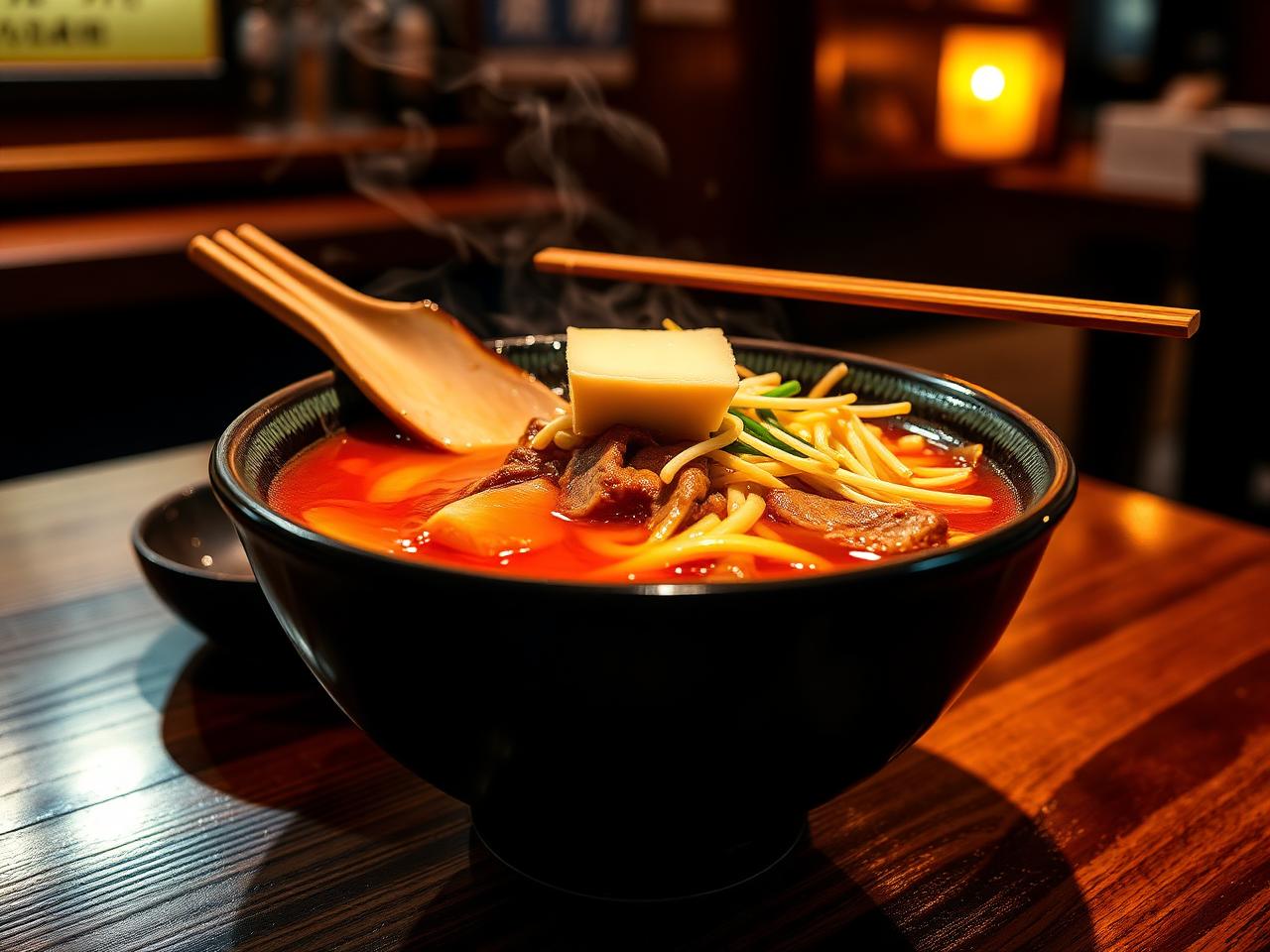
Sapporo Miso Ramen
Rich pork-bone broth deepened with red miso, topped with stir-fried bean sprouts and butter. Try Sumire, Menya Saimi, or the original Aji-no-Sanpei.
Budget ¥900–1,400 · Best: dinner
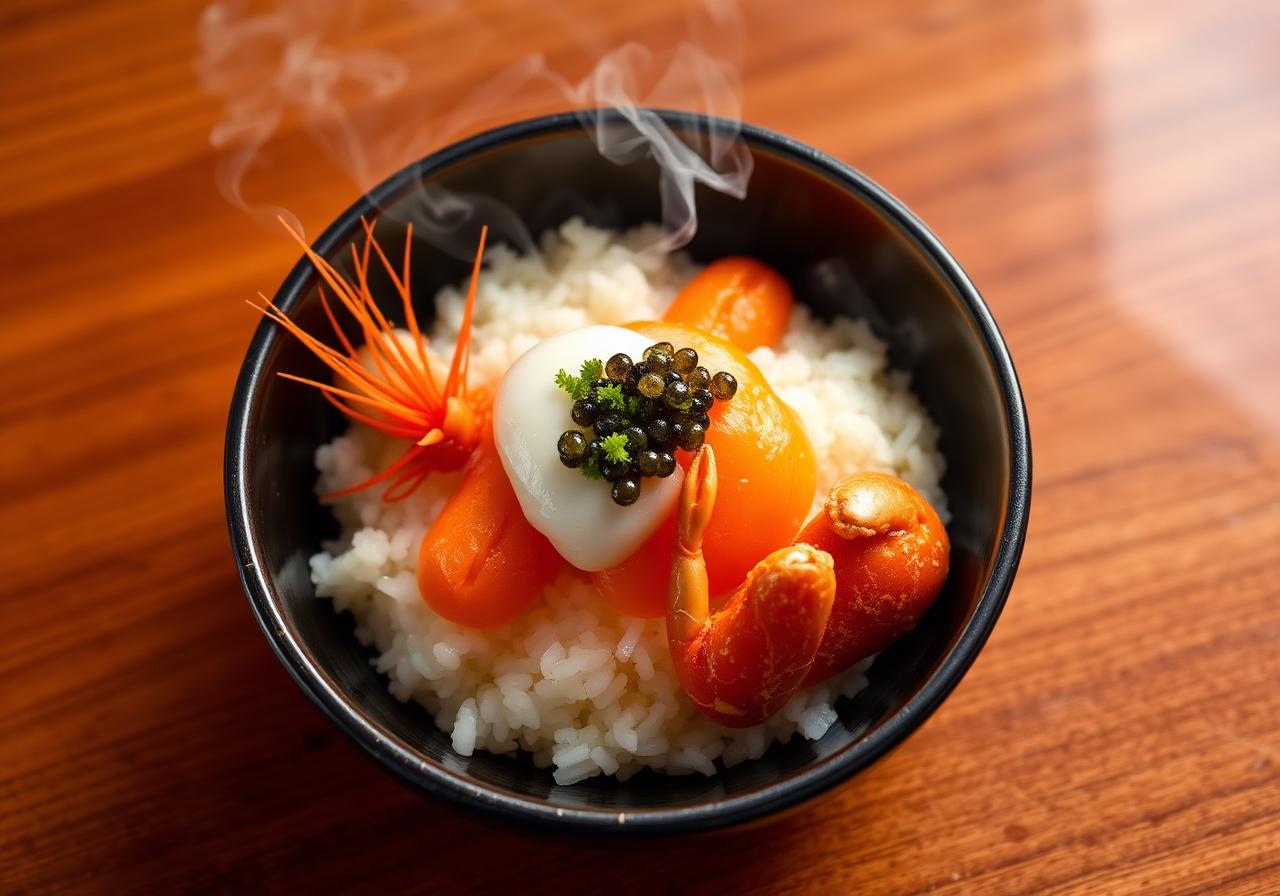
Hokkaido is Japan's pantry — cold seas, volcanic soil and vast pastures produce the country's best seafood, dairy and produce. Here are the must-eats.
Rich pork-bone broth deepened with red miso, topped with stir-fried bean sprouts and butter. Try Sumire, Menya Saimi, or the original Aji-no-Sanpei.
Budget ¥900–1,400 · Best: dinner
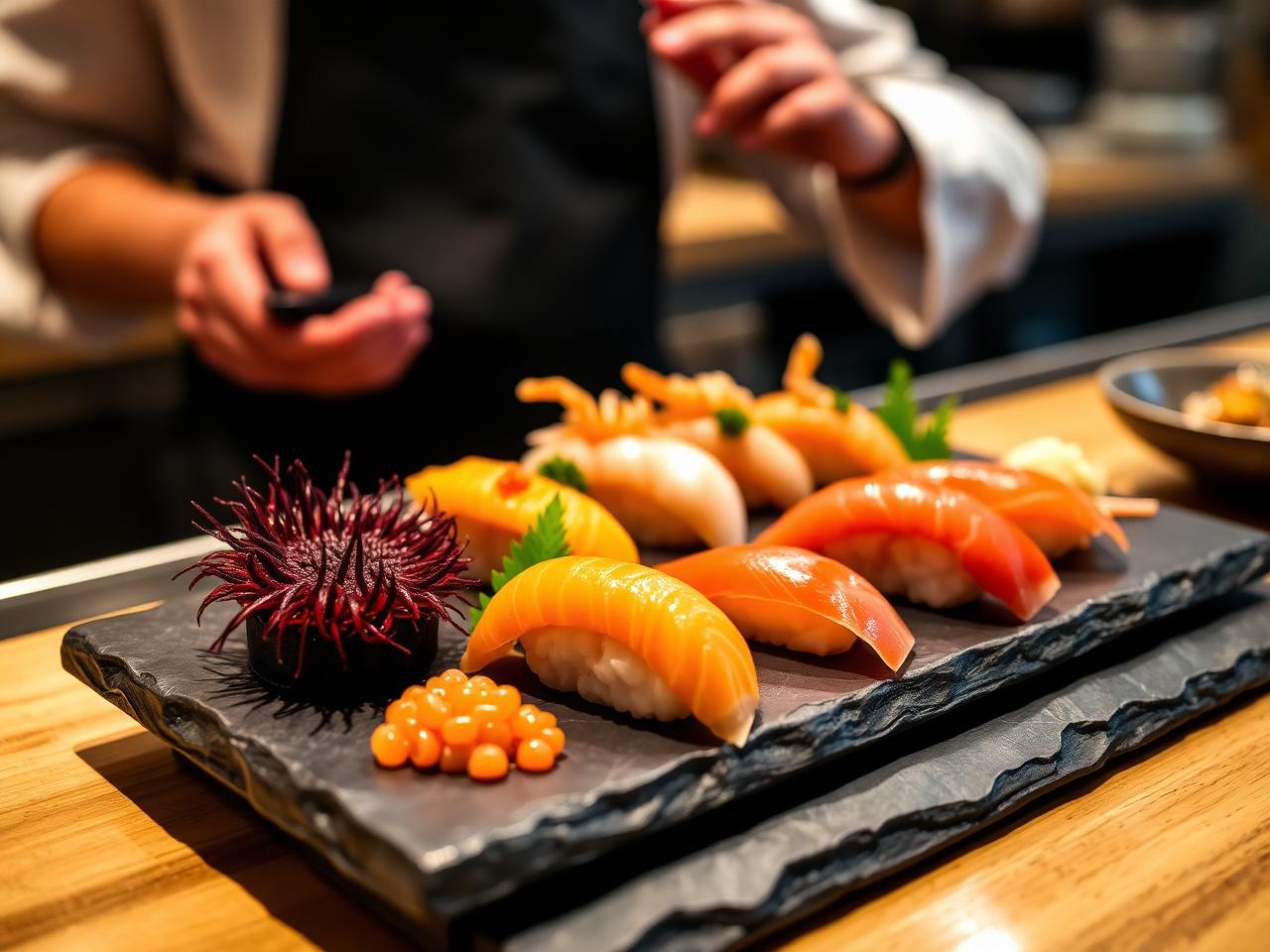
Otaru's Sushi-ya Dori has 100+ counters serving uni, ikura and botan-ebi pulled from the same morning's catch. Masazushi Honten and Otaru Masazushi are legendary.
Omakase ¥4,000–10,000
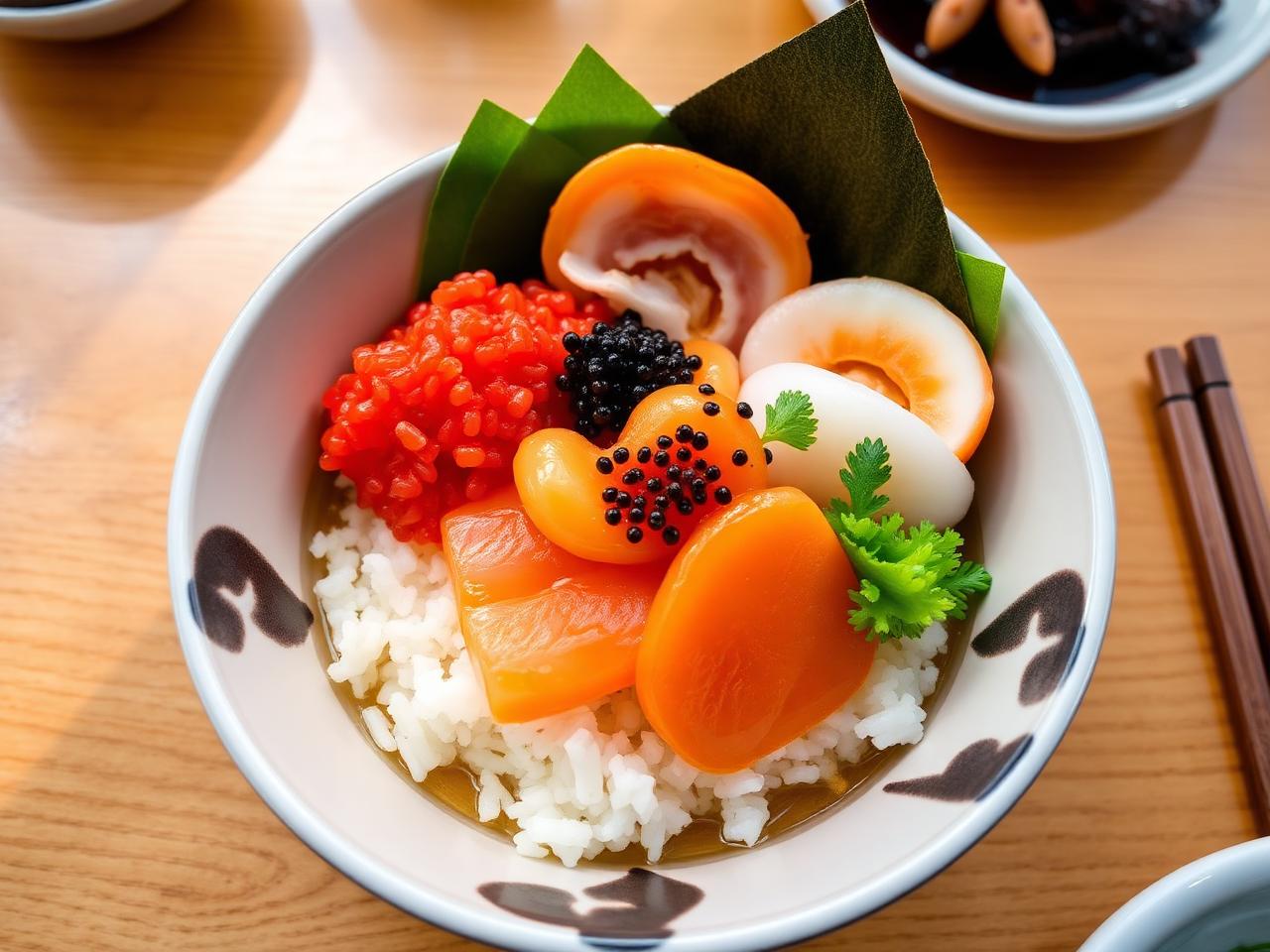
Catch your own squid in a tank, then eat it as ika-sōmen sashimi minutes later. Don't skip the kaisendon — three colors of roe over warm rice.
Open 05:00–14:00
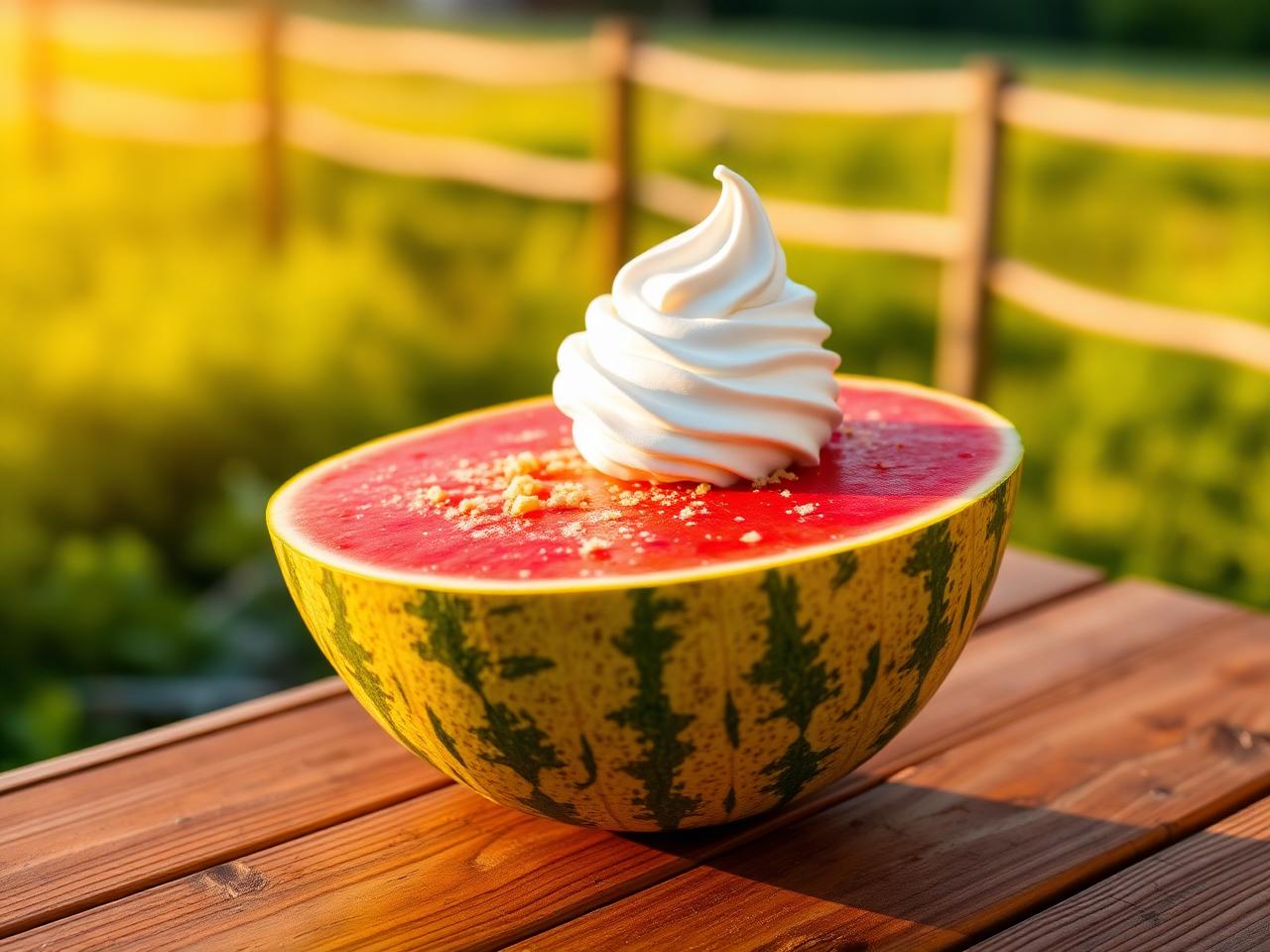
Snow Brand soft-serve, Rokkatei marusei butter sandwiches, and a whole half Furano red-meat melon with vanilla ice in summer.
Hand-picked options across three price tiers — all with real Hokkaido scenes.
Two-Michelin-star omakase: Hokkaido uni, botan-ebi and Notsuke scallop in a 9-seat counter.
Tabelog Top 100 miso ramen — pork-bone broth, ginger, butter and pinpoint chashu.
Self-serve seafood bowls at Sapporo's old market — pick crab, salmon roe and uni from a glass case.