
Hoshino Resorts TOMAMU
A family-focused resort where skiing, indoor time and weather-dependent ice experiences share the holiday.
At a glance
- Region
- Central Hokkaido · Shimukappu
- From New Chitose Airport
- Approx. 95 min from Chitose-higashi IC; terminal approach extra
- From Sapporo
- Approx. 125 min from Sapporo-kita IC; city approach extra
- Best for
- Families, beginners and non-skiers
- Terrain
- Novice to advanced; strong intermediate selection
- Typical season calendar
- Typical: early December to early April
Approx. road times are orientation only, not winter arrival promises. Snow, traffic, the chosen hotel and stops can extend every journey. Confirm the route for your dates. Typical, check the resort's official site. Early winter can mean limited terrain; midwinter brings cold and weather disruption; spring can bring softer snow and fewer operating areas. These are planning windows, not confirmed opening days or guaranteed powder.
Getting there
TOMAMU's official access page gives useful road benchmarks, but they begin at expressway interchanges rather than at your hotel room in Sapporo or the airport arrivals hall. The published Chitose-higashi to Tomamu interchange journey is approximately ninety minutes, followed by about five minutes to the resort; the Sapporo-kita to Tomamu interchange benchmark is approximately two hours, again followed by the resort approach. This guide keeps that distinction visible rather than converting it into an unsupported door-to-door promise. Add the airport-terminal or city-centre connection, winter-road allowance and any agreed stop when planning your arrival. A private transfer can be arranged around the accommodation and flight, once the full luggage and passenger requirements are known. Rail is also a credible option here: the official page describes direct limited-express trains from Sapporo and an airport journey via a change at Minami-Chitose, with a short station-to-hotel transfer at Tomamu. Confirm the actual train reservation and the final hotel connection instead of treating a map as a timetable. With young children, the choice is often between carrying equipment through a connection and travelling together in a confirmed vehicle. Request a quote for the actual route, and avoid making a weather-sensitive evening attraction a compulsory appointment immediately after landing.
The mountain
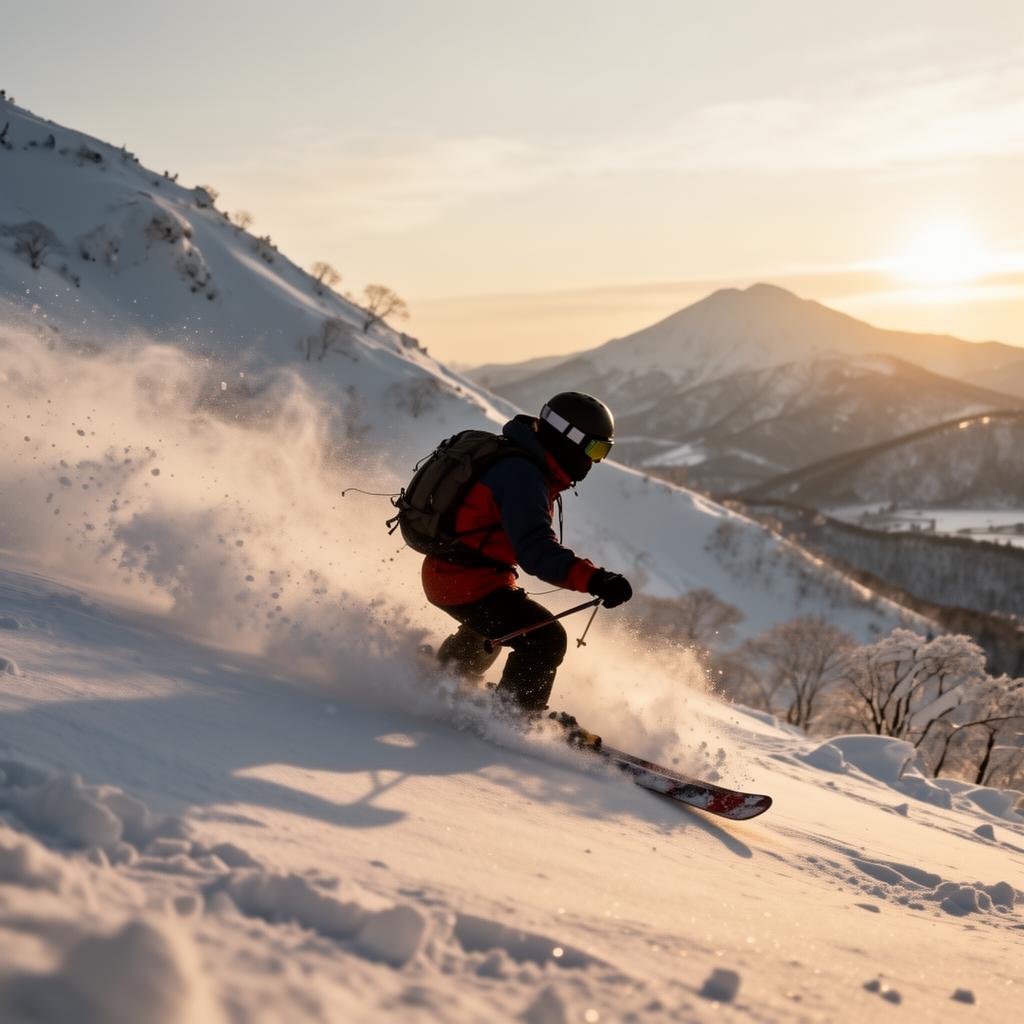
TOMAMU is not only a snow-play backdrop for a family hotel. Its official mountain information describes skiing over two mountains, with a substantial intermediate selection alongside novice, beginner and advanced terrain. The UNKAI Gondola and named chairlifts serve different parts of the area, so choose a meeting point and descent that match the actual lesson rather than selecting a lift by its size. The resort explains its snow through an inland, cold and dry setting, but powder quality and available terrain still depend on the weather. For a beginner, a well-matched instructor and warm breaks are more important than choosing the most dramatic mountain photograph. The official lesson page advertises Japanese, English and Chinese instructors; reserve the requested language and confirm the age and ability group, since an advertised language is not a guarantee for every time slot. Published schedules include late-afternoon and evening operation on selected lifts, but that does not establish an all-mountain night-ski network. Check which installation, trail and activity is actually open. Sightseeing gondola arrangements can differ from ski access, including periods when boarding is for sightseeing rather than skiing. This is a good resort comparison for a family wanting learning and off-slope experiences together; someone whose only priority is a lively independent restaurant town may prefer a different base.
Where to stay
The two principal TOMAMU hotel styles answer different questions about a family stay. The Tower is the central, convenience-oriented choice in the official resort presentation, useful to compare when the daily routine involves lessons and moving between resort facilities. RISONARE Tomamu is the all-suite alternative in a forest-side setting, with the resort advertising a view-facing jet bath and sauna in its suites. Those are verified differences in style, not a claim that one hotel is always better for a particular age group or that every activity is included in the room. Compare the actual room configuration, meal arrangements and the transfer between accommodation and the booked lesson. In a resort with several destinations within its grounds, the easiest daily route for a stroller or a tired child should be checked rather than inferred from the map. Ask which facilities are accessible to your booking and whether any dining or activity reservation must be made separately. A spacious suite may appeal to couples and multi-generation parties who expect to spend more time indoors, while a central base may suit families prioritising straightforward daily logistics. Neither choice removes the need to agree meeting points. TOMAMU is a resort-led holiday rather than a traditional town-centre stay, so decide whether you prefer spending most evenings within that organised setting before choosing accommodation.
Beyond skiing
Mina-Mina Beach gives TOMAMU a concrete indoor alternative for people who do not want a full ski day: the resort identifies it as a wave-pool leisure facility. Confirm access, opening arrangements and the needs of children separately rather than assuming pool use automatically follows from any hotel reservation. Winter mountain sightseeing at the Terrace of Frosted Tree offers a different reason to consider the gondola, subject to the weather and pedestrian boarding rules. The most distinctive seasonal evening attraction is the Ice Village. The official winter pages announce a tentative programme for the coming winter, so it is reasonable to include it as a possible experience rather than treat it as an unverified rumour. However, individual ice domes and activities open progressively according to the ice conditions, and the village period is not the same as the operating period of the Ice Chapel or Ice Hotel. This guide deliberately avoids promising exact opening days or that every feature will be ready for an arrival evening. Check the official Ice Village page again close to travel. Dining within the resort adds another option for couples and non-skiers, while childcare has its own age, reservation and availability requirements. A balanced family plan alternates outdoor excitement with warm rest, instead of filling every gap with another weather-dependent attraction.
A sample 3-day private-driver plan
Day 1 · Arrival transfer
Day 1 — Meet your driver after the agreed arrival arrangements and travel to your chosen accommodation. Allow for luggage collection, winter roads and check-in rather than squeezing in a fixed afternoon lesson. Collect pre-booked rental equipment if the shop is still open, confirm the next morning's meeting point and have an unhurried dinner. This is a planning example, not an included package or a promise that a driver remains on standby throughout your stay.
Day 2 · Ski day
Day 2 — Check the lift report before choosing your ski area. Build the day around a lesson or terrain appropriate to the least experienced person, with a clear lunchtime rendezvous for non-skiers. Agree any local transport in advance; a separate charter can be discussed if the party wants sightseeing instead. Finish early enough to return equipment calmly, enjoy dinner and prepare for departure. Do not treat an optional evening activity or night ski session as guaranteed.
Day 3 · Departure
Day 3 — Arrange pickup around the flight, accommodation location and winter-road buffer, not simply a summer navigation estimate. Confirm every bag and passenger before departure, keep travel documents accessible and avoid a compulsory sightseeing stop on an airport day. If you are continuing to Sapporo rather than flying, discuss the different destination when requesting the quote. A longer ski holiday can add rest days without repeatedly packing up and changing resorts.
Questions before you book
Can we bring our own skis and luggage?
Tell us your gear and we confirm the vehicle. Include ski or snowboard bags, suitcases, passenger ages, child seats and mobility equipment; seat count alone does not establish luggage capacity.
How should we plan for young children?
Start with age limits, lesson language, warming breaks and the distance from the room to the meeting point. TOMAMU and Rusutsu are useful family comparisons, but childcare, lessons and equipment are separate reservations with their own eligibility rules.
Are lessons and rental included with a transfer?
Do not assume so. Confirm your transport quote separately from lift passes, lessons and equipment. Ask the school for the actual instructor language and ability grouping, and give the rental shop sizes in advance. An English website does not guarantee a Chinese-speaking instructor.
Official planning sources
Last checked: October 2026
Snow activities nearby
Snowmobiles, snow tubing, sledding, snowshoe walks and towed snow rides are offered at or near many Hokkaido ski areas; the exact line-up differs by resort and season, so check the resort's official site or ask us.
Travelling with non-skiing family members? They can join snow activities while others ski, and we can plan the day around mobility needs — accessibility depends on each activity and operator, so we check before confirming.
See the snow activities guidePlan your Hokkaido ski stay
Share your dates, chosen resort, flight and gear. We confirm a suitable vehicle and help shape a personal trip; request a quote for your route.